Rotator Cuff Injuries in Sweden: Clinical Tests & Rapid Diagnostic Pathways
The rotator cuff complex (supraspinatus, infraspinatus, subscapularis, and teres minor) provides dynamic stability to the shoulder. When a tear occurs, determining whether it represents an acute traumatic injury requiring urgent repair or degenerative wear responding to targeted rehabilitation is pivotal for international residents in Sweden.
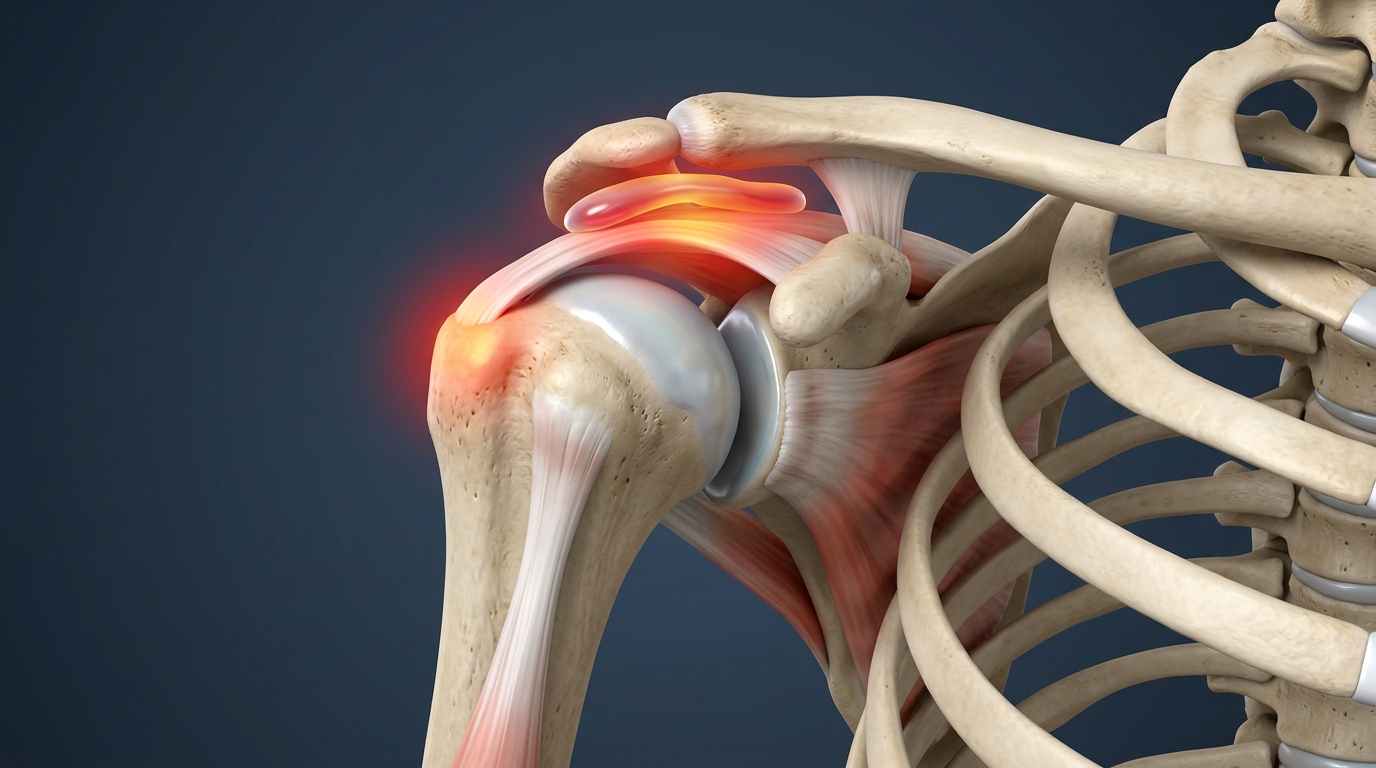
Acute Traumatic vs Degenerative Tears
- Acute Traumatic Tears: Typically occur after falls on an outstretched arm or sudden traction injuries in active individuals. Hallmark signs are severe pain and immediate loss of active arm elevation. Prompt orthopedic evaluation within 3–4 weeks is crucial before tendon retraction and muscle atrophy occur!
- Degenerative Tears: Gradual development over months in individuals aged 50+, linked to age-related microvascular reduction. Often responds excellently to 12 weeks of specialized physical therapy.
Three Clinical Self-Tests for Rotator Cuff Integrity
Perform these movements in front of a mirror to ensure you do not shrug your shoulder upwards as compensation.
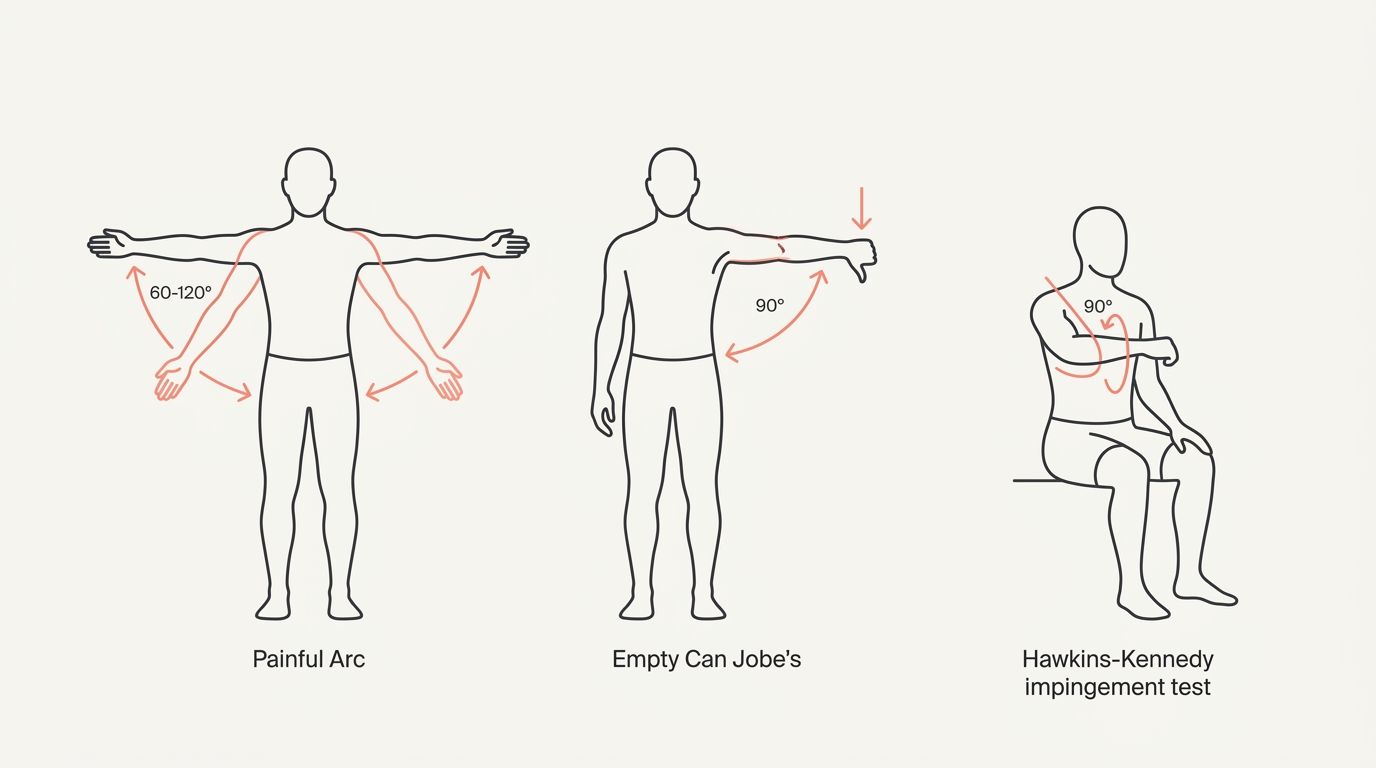
Test 1: Drop Arm Test (Supraspinatus Full-Thickness Tear)
Procedure: With your healthy arm, passively lift your painful arm all the way overhead. Release support and attempt to lower your arm very slowly and smoothly back to your side.
Positive Finding: If the arm suddenly drops uncontrolled from around 90 degrees due to weakness, it strongly suggests a large full-thickness supraspinatus tear.
Test 2: External Rotation Lag Sign (Infraspinatus)
Procedure: Keep your elbow flexed 90 degrees tight against your waist. Rotate your forearm outward as far as comfortable, and attempt to hold that end position actively.
Positive Finding: If the forearm immediately springs backwards towards your abdomen (lag sign), infraspinatus tendon deficiency is indicated.
Test 3: Belly-Press Test (Subscapularis)
Procedure: Place the palm of your hand against your abdomen and push inward firmly while keeping your elbow positioned forward (not drifting behind your torso).
Positive Finding: Inability to exert inward abdominal force without letting the elbow drop backwards behind your trunk indicates subscapularis weakness.
⚠️ When is Urgent Surgery Necessary?
In previously active adults experiencing acute arm weakness following an accident or fall, a Shoulder MRI within 10 days is essential. Postponing imaging past 6–8 weeks can cause muscle retraction and fat infiltration (Goutallier stage), rendering surgical tendon repair impossible.
Rapid Rotator Cuff Assessment & Private MRI in Sweden
Bypass the public waiting list. Access a licensed tele-physiotherapist within 24 hours (SEK 690) or book our complete private orthopedic investigation package with MRI within 10 days (SEK 9,900).
Start Consultation at Vård.se →